

touch screen bathroom mirror
Understanding Heavy Duty Check Valves Importance and Applications In the world of fluid dynamics, check valves play a crucial role in ensuring the safe and efficient operation of various systems. Among them, heavy-duty check valves are designed to withstand the most demanding environments, making them indispensable in industries such as oil and gas, water treatment, and chemical processing. What is a Heavy Duty Check Valve? A heavy-duty check valve is a mechanical device that allows fluid to flow in one direction while preventing backflow. This is achieved through a simple mechanism that consists of a movable disk or ball which is pushed open by the forward flow and closes when the flow reverses. Unlike standard check valves, heavy-duty versions are constructed from robust materials, allowing them to handle high pressures, corrosive fluids, and extreme temperatures. Key Features and Materials The design of heavy-duty check valves often incorporates high-strength materials such as stainless steel, cast iron, or other alloys, ensuring longevity and dependability under tough operating conditions. Key features typically include - Robust Construction Designed to withstand high pressures and harsh conditions. - Corrosion Resistance Materials used are often resistant to various chemicals, ensuring durability. - Large Flow Capacity Engineered for greater flow rates, making them suitable for industrial applications. - Security and Safety Equipped with features that minimize the risk of leaks or failures. Applications of Heavy Duty Check Valves 1. Oil and Gas Industry Heavy-duty check valves are essential in preventing backflow in pipelines and ensuring the efficient passage of crude oil or natural gas. They are often used in refineries and offshore platforms, where reliability is critical. 2. Water Treatment Plants In water treatment, these valves prevent contaminated water from flowing back into clean water supplies, thereby maintaining the integrity of the water supply and public health. heavy duty check valve 3. Chemical Processing The chemical industry regularly utilizes heavy-duty check valves to handle various corrosive substances safely, ensuring that chemicals flow in the desired direction without risking backflow that could lead to dangerous reactions. 4. Manufacturing Heavy-duty check valves are vital in numerous manufacturing processes involving liquids, such as food and beverage processing, where hygiene and quality control are paramount. 5. HVAC Systems In heating and cooling systems, they help maintain proper flow direction, contributing to energy efficiency and system effectiveness. Advantages of Heavy Duty Check Valves Utilizing heavy-duty check valves offers several advantages - Reliability Their sturdy design reduces the likelihood of failure, which is particularly important in critical applications. - Cost-Effectiveness By preventing backflow and system damage, these valves can minimize maintenance costs and downtime. - Versatility Suitable for a broad range of applications across various industries. - Enhanced Safety By preventing backflow, they contribute to a safer working environment, averting potential disasters. Conclusion Heavy-duty check valves are a vital component in numerous industrial systems, ensuring the smooth operation of fluid transport while preventing the backflow of substances that could lead to catastrophic failures. Their robust design, high reliability, and versatility across various applications render them indispensable in today's industrial landscape. As industries continue to evolve and demand greater efficiency, the role of heavy-duty check valves will remain crucial, paving the way for innovations that enhance their performance and longevity. By investing in high-quality heavy-duty check valves, companies can ensure not only the optimal performance of their systems but also uphold safety standards that protect both their operations and personnel. In this ever-evolving technological age, understanding and utilizing these critical components can lead to improved operational success and safety in fluid management systems.
about
touch screen bathroom mirror
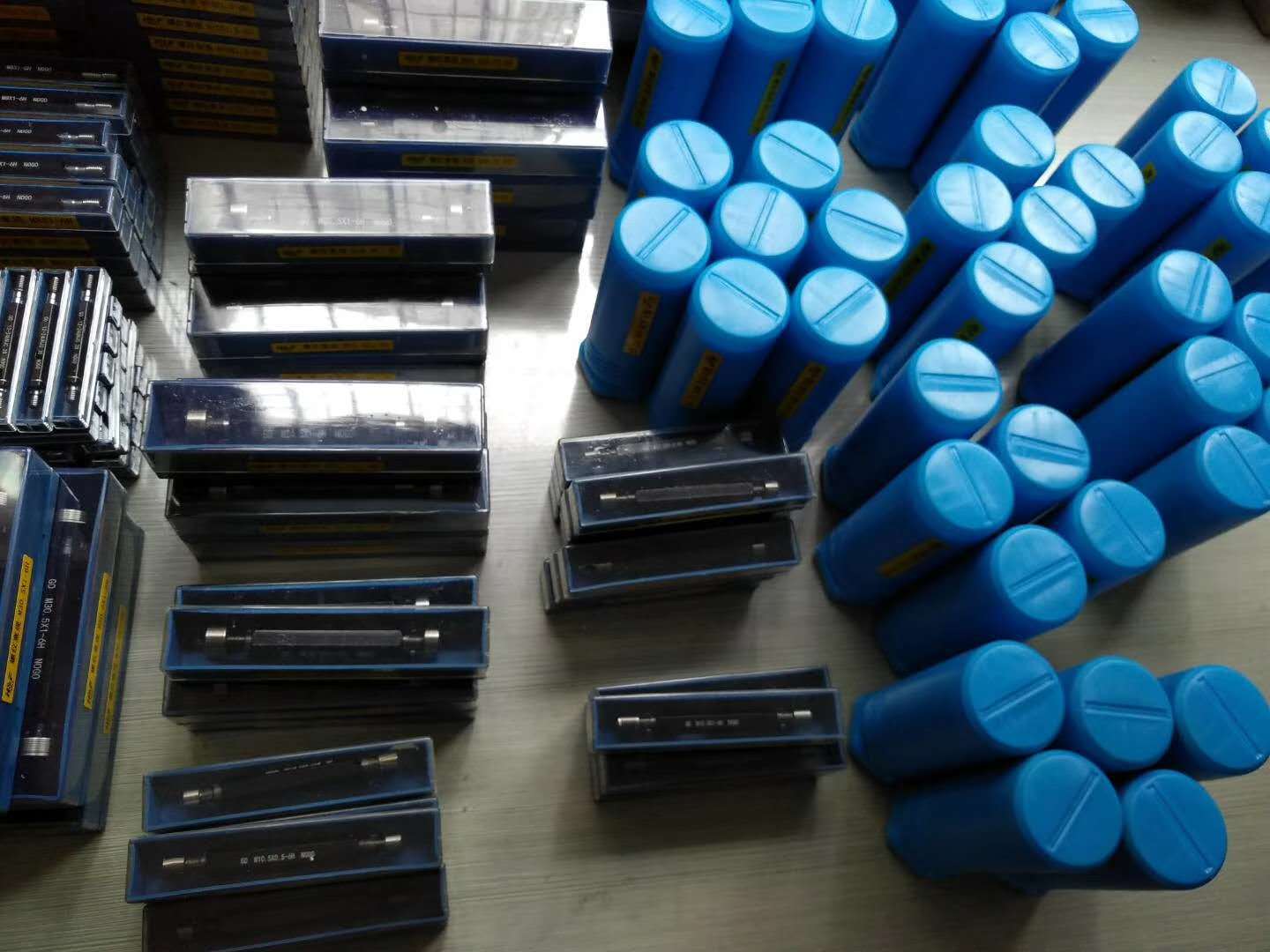
Understanding the Thread Snap Gauge A Vital Tool in Precision Engineering In the fields of manufacturing and engineering, precision is paramount. One of the essential tools that ensure accuracy in threaded components is the thread snap gauge. This instrument plays a crucial role in the inspection and measurement of screw threads, helping to maintain quality and functionality in numerous applications. A thread snap gauge, also known as a thread pitch gauge, is specifically designed for measuring the pitch diameter and profile of external and internal threads. Its primary function is to determine if the threaded parts meet specific tolerances and standards. This is essential in industries where the reliability of fasteners, such as bolts and nuts, is critical for safety and performance. The construction of a thread snap gauge typically involves a series of blades or leaves, each marked with different thread profiles . These profiles correspond to standard thread types, such as metric, unified, or British standards. Engineers and quality control personnel utilize these gauges by aligning the appropriate blade with the thread in question, allowing for an immediate visual inspection of the thread parameters. thread snap gauge One of the significant advantages of using a thread snap gauge is its simplicity and ease of use. Unlike more complex measurement tools such as calipers or micrometers, which may require precise handling and adjustments, a thread snap gauge can quickly provide an assessment of a thread's quality without extensive training or calibration. This accessibility makes it an invaluable tool in both production environments and field inspections. Moreover, the importance of accurately measuring thread dimensions cannot be overstated. Poorly threaded components can lead to catastrophic failures in mechanical systems, resulting in costly downtime and potential safety hazards. By employing a thread snap gauge, manufacturers can ensure that each component fits together seamlessly, thereby upholding the integrity of the overall system. Despite its simplicity, the thread snap gauge is a powerful tool that embodies the principle of preventive quality control. Instead of waiting for failures and defects to occur, engineers can proactively measure and inspect components during production. This not only enhances the reliability of products but also contributes to greater efficiency in manufacturing processes. In conclusion, the thread snap gauge is more than just a measuring tool; it is a critical ally in ensuring the quality and consistency of threaded components across various industries. By providing a straightforward method for assessing thread characteristics, it helps manufacturers maintain high standards of precision and reliability. As technology continues to evolve, the fundamental need for such tools remains constant, underscoring their importance in the quest for excellence in engineering and manufacturing.
-

High quality industrial productsagement

High quality industrial products
View Details -

Meet the diverse needs of customers

Meet the diverse needs of customers
View Details -

Strict quality control

Strict quality control
View Details -

Top raw materials

Top raw materials
View Details -

Trusted supplier

Trusted supplier
View Details
Our application



news and information
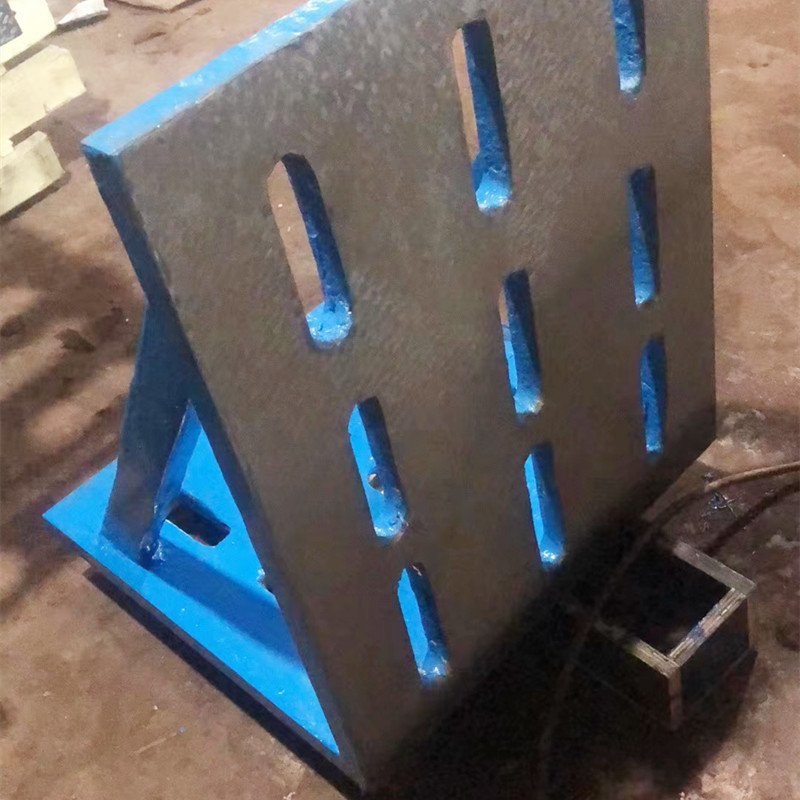
Welding Table Clamps for Enhanced Precision and Stability in Metalworking Projects
The Importance of Welding Table Clamps in Metal Fabrication Welding is a crucial process in the meta

welding table 4x8
Welding Table 4x8 A Vital Tool for Every Welder In the world of metalworking, a sturdy and functiona
Válvula Principal de Água - Soluções Eficientes para Controle de Água
Válvula Principal de Água A Vital Importância no Sistema Hidráulico A válvula principal de água é um
 English